




























DNA tests: insight into biochemical processes such as methylation and detoxification
Biochemical processes are all kinds of (chemical) reactions that take place in living organisms. These processes are crucial for the functioning of cells, tissues and organs. Without biochemical processes, the body would not be able to produce energy, activate the immune system or ensure good metabolism.
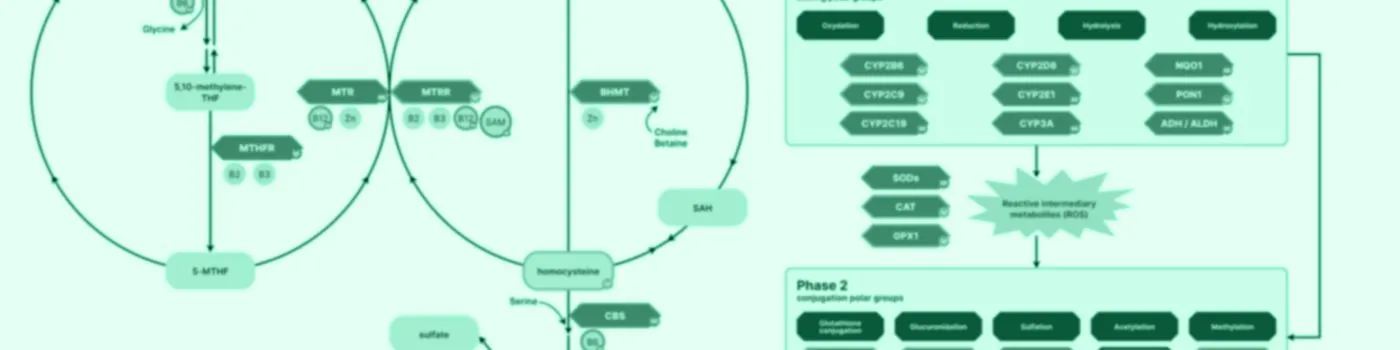
In this article we explain how a DNA test can give insight into the functioning of crucial biochemical processes, such as methylation and detoxification. And how this information can be used to optimise health.
What is methylation?
Methylation is a biochemical process in which a methyl group (CH3) is added to DNA, proteins or other molecules. This process is essential for numerous bodily functions, including gene expression, DNA repair and the detoxification of harmful substances. Countless methylation reactions take place in every body cell with the help of various enzymes, including MTHFR, MTR, MTRR, BHMT and CBS.
Less effective methylation can increase the risk of various health problems, such as heart disease, neurological conditions and complications in pregnancy. Good methylation is therefore crucial for maintaining health and preventing chronic diseases.
Genetic influence on methylation
Certain genetic variations can influence the efficiency of the methylation process. One of the best-known genes involved in methylation is the MTHFR gene (methyl tetrahydrofolate reductase). Variations in this gene can lead to less effective functioning of the MTHFR enzyme, which can affect methylation capacity. Besides the MTHFR gene, other methylation genes are also important, including the MTR, MTRR, BHMT, CBS and AHCY genes.
If several methylation enzymes work more slowly, this can, for example, lead to excessively high concentrations of homocysteine and/or too little of the methyl donor S-adenosylmethionine (SAM). These are risk factors that can contribute to various health problems.
How a DNA test can help
A DNA test can help to identify genetic variations in methylation genes and inform you about your methylation capacity. With this knowledge you can, for example, adjust your diet or possibly use supplements. If methylation is less than optimal, it can be useful to increase your intake of folic acid and other B vitamins, because these are important co-factors of methylation enzymes. We advise that any use of supplements always be discussed with a health professional.
What is detoxification?
Detoxification, also known as detoxing, is the process by which the body renders harmful substances and toxins harmless and excretes them. This process takes place mainly in the liver, but also in other organs such as the kidneys and lungs. Detoxification is essential for maintaining good health and preventing the build-up of harmful substances.
Genetic influence on detoxification
Detoxification processes are regulated by a series of enzymes, including cytochrome P450 (CYP) enzymes, glutathione S-transferases (GSTs) and N-acetyltransferases (NAT). Genetic variations in these genes can influence the effectiveness of detoxification. For example, variations in the CYP1A2 gene influence the speed at which caffeine is broken down, while variations in GST genes influence how well the body can eliminate heavy metals and other toxins.
How a DNA test can help
A DNA test can help to identify genetic variations in detoxification genes and inform you about your detoxification capacity. With this knowledge you can:
-
Adjust your diet: Foods that are rich in antioxidants, such as vegetables and fruit, can help to support detoxification processes.
-
Optimise environmental factors: Avoid exposure to known toxins such as cigarette smoke, heavy metals and pesticides to reduce the load on your detoxification system.
-
Possibly use supplements, for example if you have health symptoms. We advise that this always be discussed with a health professional.
Conclusion
A DNA test can provide valuable information and give insight into the functioning of biochemical processes, such as methylation and detoxification. With this knowledge you can take targeted steps to improve your health and reduce your risk of conditions. Think, for example, of adjustments to your diet and lifestyle or the use of specific supplements. A DNA test is a one-off investment from which you benefit for life; your genetic blueprint does not change. Curious about your genetic predisposition and the possibilities for optimising your health?